
Here’s something that drives people absolutely crazy about back pain…
You hurt your back. You rest. You wait for it to get better.
And sometimes it does.
But a lot of times? It doesn’t.
Or it gets better for a while, then comes roaring back the moment you try to do anything normal.
And you’re left wondering: “What the hell is going on? Why isn’t this healing?”
Here’s the truth:
Many people assume that lower back pain will simply disappear with rest. Sometimes it does, but many cases become persistent or chronic because the underlying causes—like weak muscles, poor posture, or dodgy spinal mechanics—are never actually addressed.
Your back doesn’t just need time. It needs the right kind of recovery at the right stage.
At Get Better Physiotherapy in Regents Park, our clinic regularly helps patients understand what stage of recovery they’re in and what the next step should be.
Because when you know what phase you’re in, treatment, exercise, and daily movement decisions become way clearer.
This article explains the lower back pain recovery stages, how long each phase may last, what symptoms you’ll probably experience, and when physiotherapy or medical advice can help prevent this becoming a long-term problem.
Understanding Lower Back Pain (And Why It’s So Common)
Lower back pain affects the lumbar spine—the area that carries most of your body’s weight and supports basically everything you do.
Your spine, spinal joints, muscles, and nerves all work together to keep your body stable and mobile.
Pain in this area is one of the most common musculoskeletal conditions worldwide.
According to the World Health Organization, lower back pain is the leading cause of disability globally.
Let that sink in for a second.
The leading cause of disability.
Not some rare condition. Not something that only happens to other people.
Back pain.

Many different factors can contribute to lower back pain:
- Muscle strain from lifting or sudden movement
- Joint irritation in the spine
- Disc or nerve irritation
- Weak core or pelvic muscles
- Posture changes during pregnancy or after birth
- Stress, sleep issues, or general health factors
Most cases aren’t serious and improve within several weeks.
But here’s the thing:
Understanding the recovery phases is important because the wrong activity—or too much rest—can actually slow healing.
The Three Main Lower Back Pain Recovery Stages
Back pain recovery generally progresses through three phases.
Each phase reflects how the tissues in your lumbar spine respond to injury and healing.
1. Acute Phase (First Few Days to 2 Weeks)
The acute phase begins immediately after the injury or sudden onset of pain.
This stage typically lasts from a few days up to two weeks.
During this time your body begins its natural healing response.
Common symptoms during the acute phase include:
- Sharp or intense pain in the lower back
- Muscle guarding or stiffness (your body basically locks up to protect itself)
- Difficulty bending, standing, or lifting
- Reduced movement in the spine
- Sometimes nerve irritation causing pain down the leg
Inflammation around the spinal structures can cause pain signals to increase, which is why people often feel worse when they first try to move.
And this is where a lot of people make their first mistake.
What Helps During the Acute Phase
Good early management can prevent a short-term problem from becoming chronic.
Common recommendations include:
- Gentle movement rather than complete bed rest
- Short periods of rest if pain is severe (but not days on end)
- Light walking to maintain circulation
- Avoid heavy lifting or sudden bending
- Early physiotherapy assessment if symptoms persist
Many people believe they should stay in bed until the pain goes away.
Research now shows that prolonged rest can actually delay recovery.
I know that sounds backwards. But your body heals better when it’s moving gently, not when it’s completely immobile.
A physiotherapy clinic can assess your spine, muscles, and nerve function to guide safe movement early in the process.
2. Subacute Phase (2 to 6 Weeks)
The subacute phase is when healing is underway but the tissues are still sensitive.
Pain often begins to improve, but stiffness, weakness, and reduced movement may remain.
Typical signs of the subacute phase include:
- Dull or intermittent back pain
- Stiffness after sitting or sleeping
- Difficulty returning to exercise
- Weak core or lumbar muscle support
- Fear of bending or lifting again (because you remember how bad it was)
This stage is critical because many people begin to move again without proper support, which can cause symptoms to return.
You feel better, so you think you’re healed.
Then you bend down to pick something up and—bam—you’re back to square one.
The Focus of Treatment During This Phase
During the subacute stage, physiotherapy treatment often focuses on:
- Restoring spinal movement
- Improving posture and lifting mechanics
- Rebuilding muscle strength
- Gentle core stability exercises
- Education about avoiding reinjury
Clinical physiotherapy programs during this phase are designed to rebuild movement gradually.
Without structured rehabilitation, your body may compensate by relying on other joints—like your knees or hips—which can lead to new problems down the track.
3. Chronic Phase (6 Weeks and Beyond)
Back pain that lasts longer than six weeks may move into a chronic or persistent phase.
This doesn’t mean the condition is permanent.
It usually means your body hasn’t fully recovered its strength or movement patterns.
Common characteristics of chronic back pain include:
- Pain that comes and goes for months
- Reduced physical activity due to fear of pain
- Muscle weakness or imbalance
- Persistent spinal stiffness
- Stress or mental health factors affecting recovery
Chronic back pain often involves both physical and psychological factors.
For example, stress, poor sleep, and reduced activity levels can make pain signals stronger.
Your brain basically gets stuck in a pain loop, even when the original injury has healed.
That’s not “all in your head.” It’s a real neurological response that needs proper treatment.
A Simple 3-Step Recovery Process
Many patients feel overwhelmed by back pain.
In reality, recovery often follows a simple structured process:
Step 1: Assessment by a Physiotherapy Provider
Goal: Identify the cause and stage of recovery
You need to know what you’re dealing with before you can fix it.
Step 2: Personalised Treatment Program
Goal: Restore movement, reduce pain, rebuild strength
This is where the actual healing happens—not through random exercises, but through a targeted plan.
Step 3: Gradual Return to Normal Activities
Goal: Prevent recurrence and long-term injury
The goal isn’t just to feel better. It’s to stay better.
This structured approach is used in many clinical physiotherapy programs to guide patients safely through recovery.
When Back Pain May Be More Serious
Most lower back pain improves with conservative care.
But certain red flags require urgent medical attention.
Red flags include:
- Severe trauma such as a fall or accident
- Loss of bladder or bowel control
- Progressive weakness in the legs
- Unexplained weight loss
- History of cancer or serious disease
- Fever with spinal pain
- Numbness in the saddle region (groin/inner thigh area)
If these signs appear, it’s important to seek urgent medical advice or emergency care.
A doctor or healthcare provider may recommend further investigations such as imaging, blood tests, or specialist evaluation.
Don’t mess around with these symptoms. Get checked immediately.
Investigations Doctors May Recommend
If symptoms don’t improve, healthcare providers may recommend investigations to rule out serious conditions.
Possible tests include:
- X-ray imaging
- MRI scanning of the lumbar spine
- CT imaging
- Neurological examination
- Blood tests
These investigations help identify problems such as fractures, nerve compression, spinal disease, or other medical conditions.
However, imaging isn’t always necessary.
Many clinical guidelines recommend avoiding imaging in the early phase unless red flags are present.
Because here’s the thing:
A lot of people have “abnormal” findings on scans that don’t actually correlate with their pain.
You could have a bulging disc that shows up on an MRI but causes zero symptoms.
Or you could have significant pain with a completely normal scan.
The scan is just one piece of the puzzle.
Why Physiotherapy Plays a Key Role in Recovery
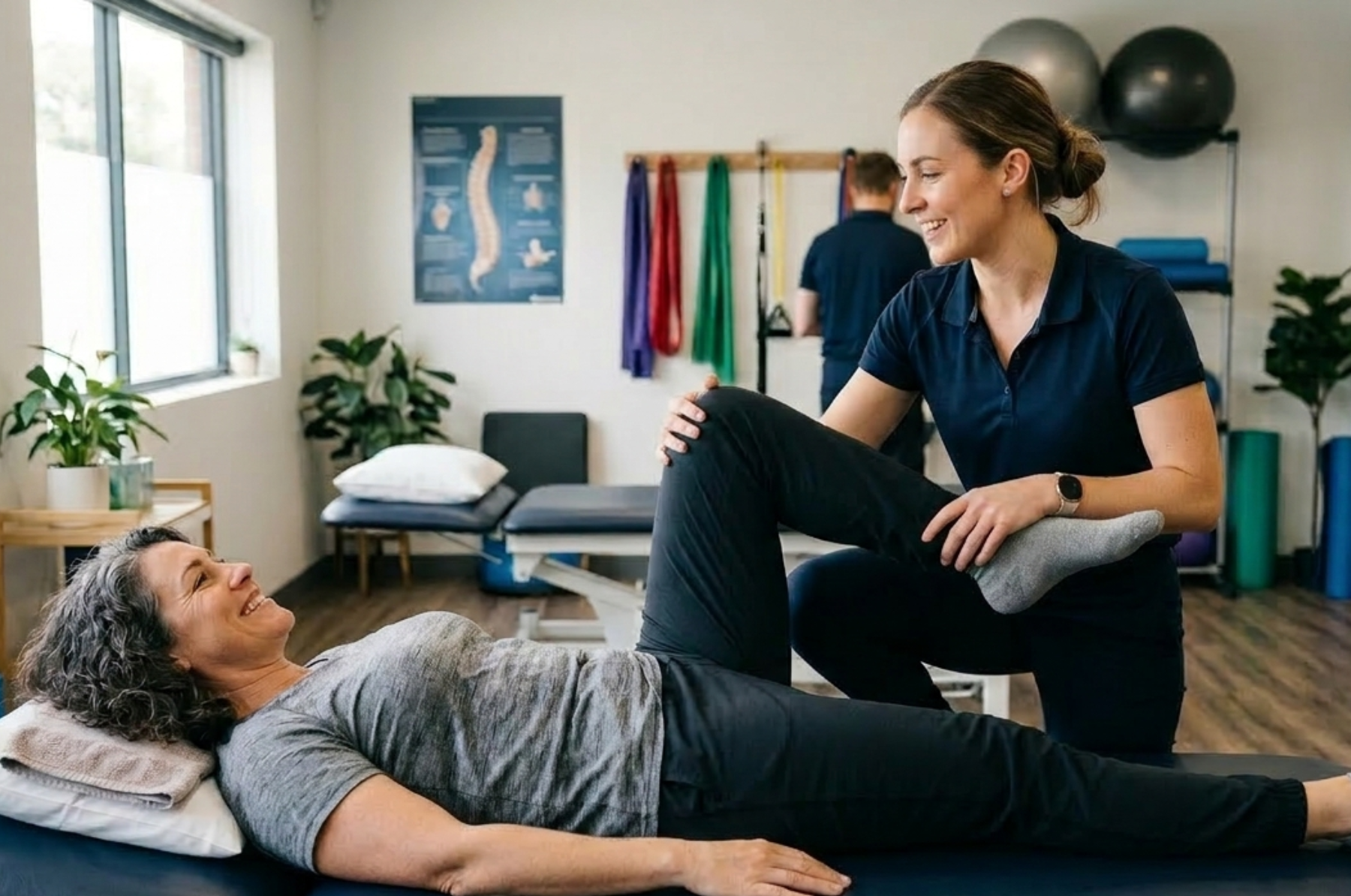
Physiotherapy is one of the most effective treatments for lower back pain because it focuses on restoring normal movement and muscle support around the spine.
A physiotherapy program may include:
- Manual therapy to improve joint movement
- Core stability exercises
- Pelvic and lumbar muscle strengthening
- Posture education
- Lifting mechanics training
- Activity modification advice
Physiotherapists also help patients manage everyday movements—like sitting, standing, and lifting objects—safely.
At our Regents Park physiotherapy clinic, we often see patients who’ve tried rest, medication, or online exercise programs without success.
A personalised program often produces better results because every spine and injury history is different.
What works for your mate might not work for you.
Common Factors That Delay Back Pain Recovery
Several lifestyle factors can slow healing or increase the risk of persistent back pain.
Important factors include:
- Smoking, which reduces blood flow to spinal tissues
- Poor sleep quality (which affects everything)
- Stress or mental health challenges
- Excess body weight
- Sedentary work or prolonged sitting
- Returning to heavy activity too soon
Addressing these factors as part of a treatment plan can improve long-term recovery.
You can’t just treat the back in isolation and expect everything to magically fix itself.
Special Considerations for Pregnancy and Postpartum Recovery
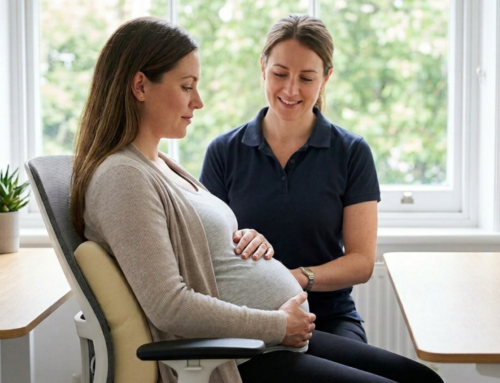
Pregnancy places significant stress on the lumbar spine, pelvic joints, and core muscles.
Hormonal changes during pregnancy can increase ligament laxity, which may lead to instability in the spine and pelvis.
Common pregnancy-related back pain factors include:
- Weak core muscles after birth
- Changes in posture from carrying a baby
- Lifting and feeding positions
- Lack of sleep and physical fatigue
Women who feel their body is “not the same” after birth aren’t alone.
Many patients at our clinic experience back pain months—sometimes years—after pregnancy.
A physiotherapy assessment can evaluate:
- Core muscle function
- Pelvic stability
- Posture and movement mechanics
- Safe return to exercise
This approach helps mothers rebuild strength gradually and regain confidence in their body.
Because you deserve to feel strong again, not like you’re constantly one wrong move away from your back going out.
When to Seek Physiotherapy or Medical Advice
You should consider seeking physiotherapy or healthcare advice if:
- Back pain lasts longer than two weeks
- Symptoms keep returning
- Exercise causes worsening pain
- Pain interferes with work or daily activities
- You feel weakness, instability, or nerve symptoms
Early assessment can often prevent a short-term injury from developing into chronic pain.
Don’t wait until it’s been six months and you’ve tried everything.
Get help early.
How Get Better Physiotherapy in Regents Park Can Help
At Get Better Physiotherapy, our clinic provides physiotherapy services designed to support patients through each stage of back pain recovery.
Our approach includes:
- Detailed clinical assessment and examination
- Evidence-based treatment and therapy
- Individual exercise programs
- Advice on posture, lifting, and daily movement
- Support for pregnancy-related back pain
Our physiotherapists work closely with patients to identify the cause of their symptoms and create a personalised recovery program.
Many patients say the most helpful part of their appointment is finally understanding why their back pain started and what to do next.
Not just being told to “rest and take some painkillers.”
Start Your Back Pain Recovery With Expert Physiotherapy
Lower back pain recovery happens in stages, and the right support during each phase can make a significant difference.
If you’re dealing with persistent back pain, uncertainty about exercise, or symptoms after pregnancy, professional physiotherapy guidance can help you move forward safely.
You deserve to feel strong, confident, and pain-free in your body again.
If you’d like personalised advice, you can:
- Book a physiotherapy appointment at our Regents Park clinic
- Contact our team to discuss your symptoms
- Read more articles on our blog about back pain recovery and movement health
Stop guessing about your recovery. Get the expert care your body needs and start your journey back to better movement today.




Leave A Comment