

Diastasis recti is a common condition that can occur after pregnancy, when the abdominal muscles separate along the midline of the abdomen. After giving birth, many mums find their bodies aren’t quite the same as before, particularly when it comes to how their core feels and functions.
If your abdomen feels weaker, you notice a change in the shape of your stomach, or certain movements feel different after pregnancy, you may be wondering whether diastasis recti could be contributing to these changes. The good news is that it can often be improved with the right approach and individualised guidance.
What is Diastasis Recti?
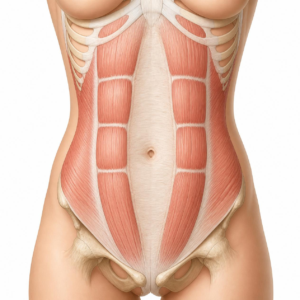
Diastasis recti occurs when the two sides of the rectus abdominis muscles move further apart along the midline of the abdomen. During pregnancy, the growing baby and changes in the body can place increased pressure on the abdominal wall.
Some women notice a visible change around the belly button or a ridge or doming through the middle of the abdomen when getting up, exercising or performing certain movements. Others may simply notice that their core feels weaker or less coordinated than it did before pregnancy.
Diastasis recti is common during and after pregnancy, but experiencing abdominal separation does not necessarily mean something is seriously wrong. There are also misconceptions that surgery is the only way to address it. In many cases, physiotherapy can form part of a non-surgical approach to improving abdominal function and strength.
Diastasis Recti Treatment Option
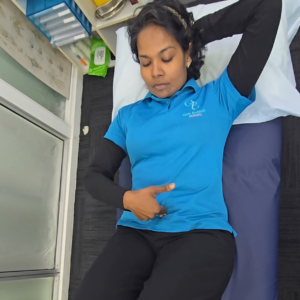
Treatment for diastasis recti generally focuses on improving abdominal function, strength, and coordination rather than simply trying to close a gap.
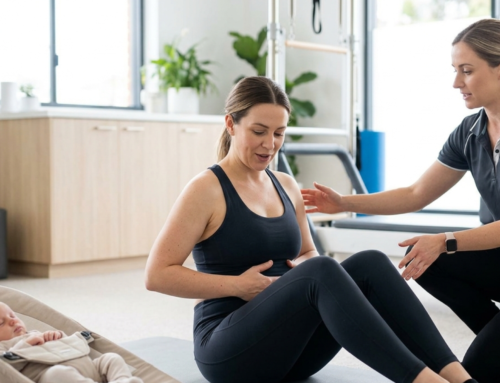
Physiotherapy may include an individual assessment followed by exercises designed to help you reconnect with your deep core muscles and gradually build strength. Your program can be adjusted according to your symptoms, current level of activity, stage of postpartum recovery, and goals.
Surgery vs. Physiotherapy
Surgery may be considered in some circumstances, but it is not automatically necessary for everyone experiencing abdominal separation.
Physiotherapy provides a non-invasive approach that focuses on improving how your abdominal muscles work together. With appropriate guidance, exercises can be progressed gradually as your strength and confidence improve.
At Get Better Physiotherapy, Garima Bharti brings more than 20 years of physiotherapy experience, including experience in postpartum rehabilitation and Reformer Pilates. Her approach focuses on individual assessment and creating a recovery plan suited to each person’s needs.
Exercises to Improve Diastasis Recti
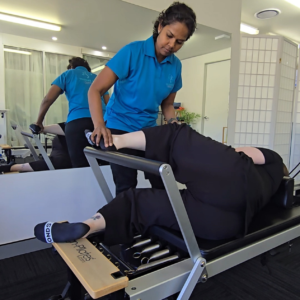
Gentle, controlled exercises can help you gradually rebuild your core strength after pregnancy. The most appropriate exercises will depend on your individual assessment, symptoms and goals.
Depending on your circumstances, your physiotherapist may recommend movements such as:
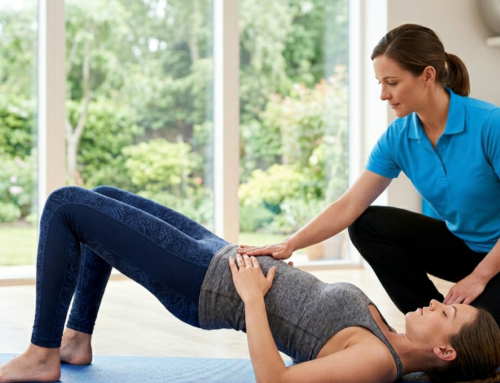
- Pelvic tilts to help you reconnect with controlled movement through your pelvis and trunk.
- Heel slides to gradually challenge your abdominal muscles while maintaining control.
- Modified planks when appropriate to progressively build core strength.
- Breathing and deep core exercises to help improve coordination between your breathing and abdominal muscles.
The goal isn’t to perform the hardest exercise possible. Instead, exercises should be introduced at an appropriate level and progressed gradually as your body becomes stronger and more capable.
If an exercise causes pain, significant abdominal doming or feels difficult to control, stop and seek professional guidance about whether the movement is suitable for you.
When to Seek Professional Help
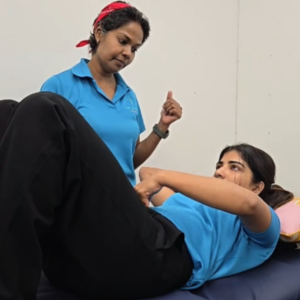
You don’t necessarily need to wait until symptoms become severe before seeking help.
Consider speaking with a physiotherapist if you’re experiencing persistent discomfort, difficulty returning to exercise, concerns about abdominal separation, or uncertainty about which exercises are appropriate for you.
A physiotherapy assessment can look at more than the appearance or size of the abdominal separation. Your physiotherapist can consider your symptoms, movement, strength, abdominal function and goals when developing an appropriate recovery plan.
At Get Better Physiotherapy, Garima Bharti can provide an individual assessment and help you understand the next steps for your postpartum recovery.
FAQs
Can diastasis recti heal on its own?
The abdominal wall can change naturally during the postpartum period, and some women notice improvement over time. However, recovery varies from person to person. A physiotherapy assessment can help identify whether targeted exercises or other strategies may be appropriate for you.
How long does recovery take?
There is no single recovery timeline for everyone. Your progress can depend on factors such as your symptoms, strength, activity levels, postpartum stage and consistency with your rehabilitation program. Gradual improvements can occur with an appropriate and consistent approach.
Can I exercise with diastasis recti?
In many cases, exercise can form an important part of recovery. However, the type and intensity of exercise should be appropriate for your current abilities. A physiotherapist can help you determine which exercises are suitable and how to progress them safely.
Is surgery always needed for diastasis recti?
No. Surgery is not automatically required for abdominal separation. Physiotherapy can provide a non-surgical approach focused on improving abdominal function, strength and movement. Whether further treatment is appropriate depends on your individual circumstances.
Start Your Recovery
Recovery after pregnancy doesn’t have to mean simply accepting changes in your core or avoiding activities you enjoy.
With the right assessment, guidance and gradual strengthening, you can work towards improving your core function and confidence in movement.
If you’re concerned about diastasis recti or aren’t sure which exercises are right for you, a physiotherapy assessment can help you understand your options.
Ready to take the next step? Book your physiotherapy assessment with Get Better Physiotherapy today.
Leave A Comment