
Diastasis Recti Explained: Symptoms, Causes & How Physiotherapy Can Help
Have you noticed any diastasis recti symptoms, such as a bulge around your tummy, a feeling of weakness through your core or difficulty rebuilding abdominal strength after pregnancy?
These changes may be associated with diastasis recti, also known as abdominal separation.
Diastasis recti is common during and after pregnancy. Understanding what it is, recognising possible symptoms and knowing where to seek guidance can help you make informed decisions about your recovery.
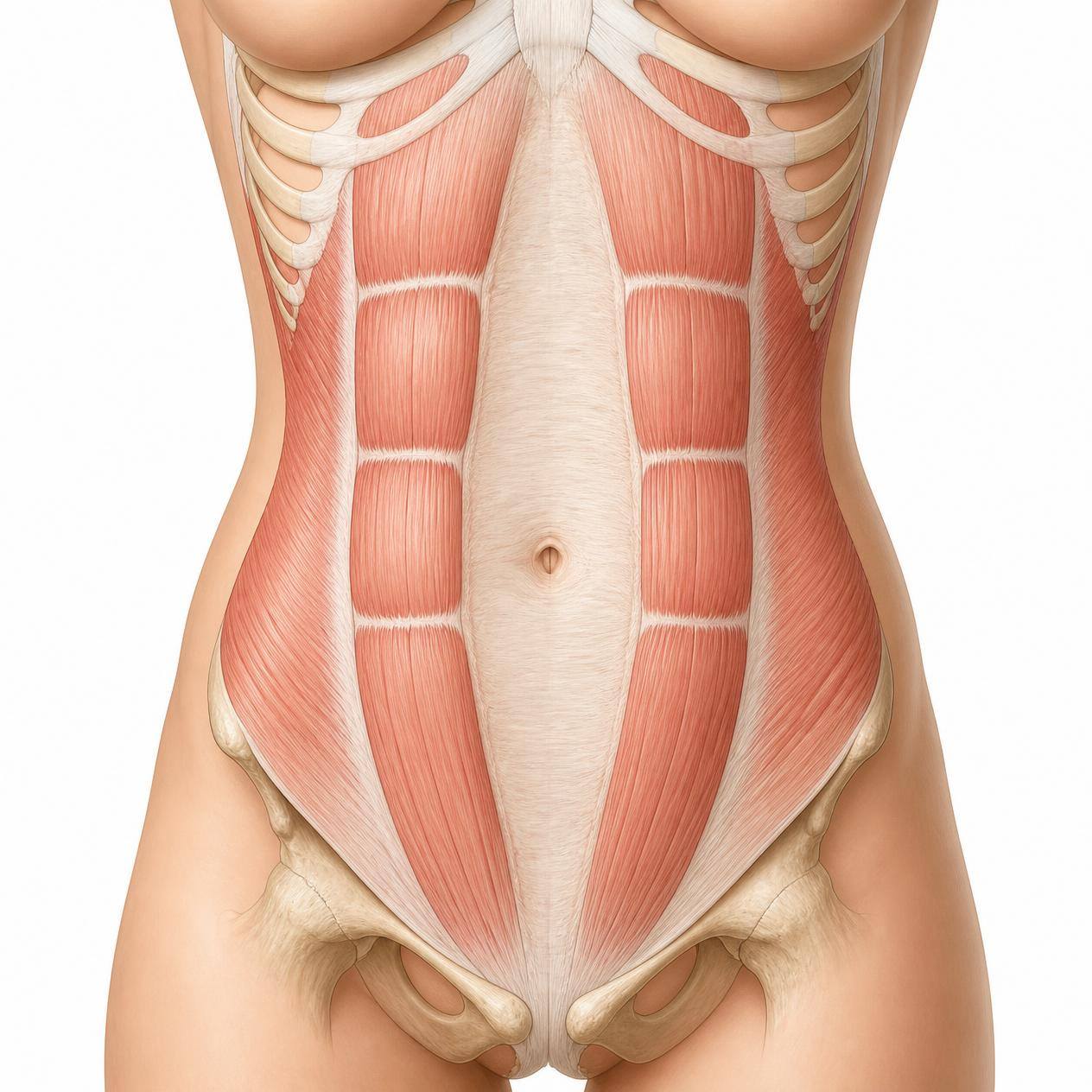
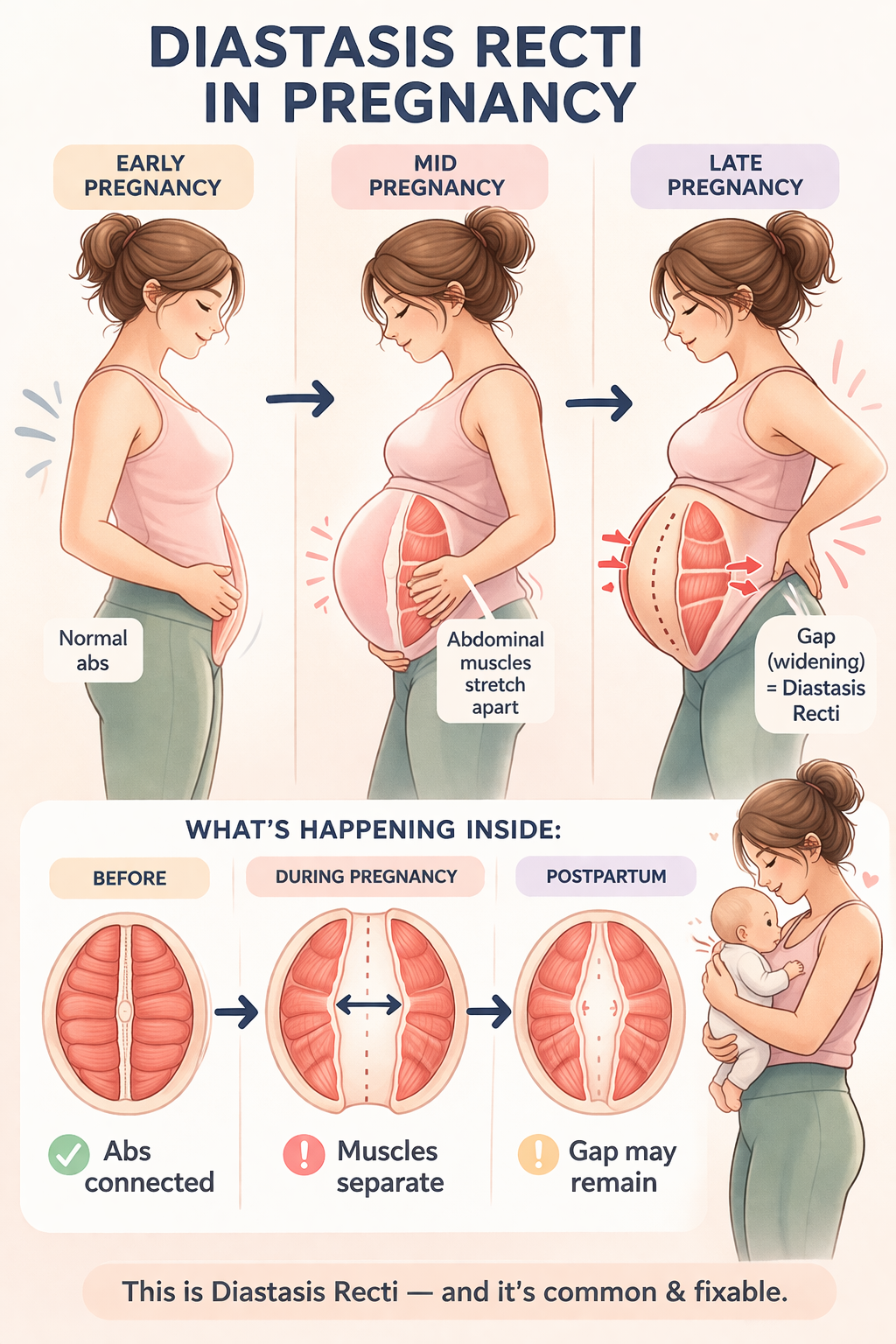
Diastasis recti occurs when the two sides of the rectus abdominis muscles, commonly known as the abdominal muscles, move further apart as the connective tissue between them stretches.
This tissue is called the linea alba. It naturally stretches during pregnancy to make room for your growing baby.
Some separation is a normal part of pregnancy. However, some women continue to experience abdominal separation and changes in abdominal wall function after giving birth.
Common Diastasis Recti Symptoms: 5 Signs to Look For
Diastasis recti can look and feel different from one woman to another.
Some possible signs include:
Some women also experience back discomfort or difficulty with everyday activities. However, these symptoms can have other causes and don’t confirm diastasis recti on their own.
If you’re concerned about changes in your abdominal area after pregnancy, a physiotherapy assessment can help you understand what’s happening.
What Causes Diastasis Recti?
Recognising diastasis recti symptoms can help you understand when to seek guidance.
Pregnancy is a common cause of diastasis recti.
As your baby grows, your abdominal wall stretches to accommodate the changing size of your uterus. This places increased demands on the connective tissue between your abdominal muscles.
Factors that may influence abdominal separation include:
Diastasis recti isn’t caused by doing something wrong. Every pregnancy and recovery experience is different.
How Can Physiotherapy Help With Diastasis Recti?
A personalised physiotherapy programme can help you work towards improving abdominal strength, coordination and everyday movement.
Your physiotherapist may consider:
1. Individual Assessment
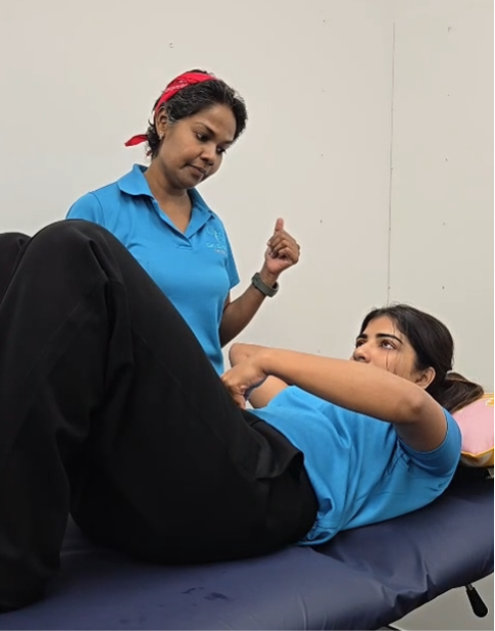
Your physiotherapist can discuss your symptoms, assess your abdominal wall function and understand how your core responds to different movements and assess the impact on the joints and muscles of your lower back.
2. Hands-on therapy for immediate pain relief
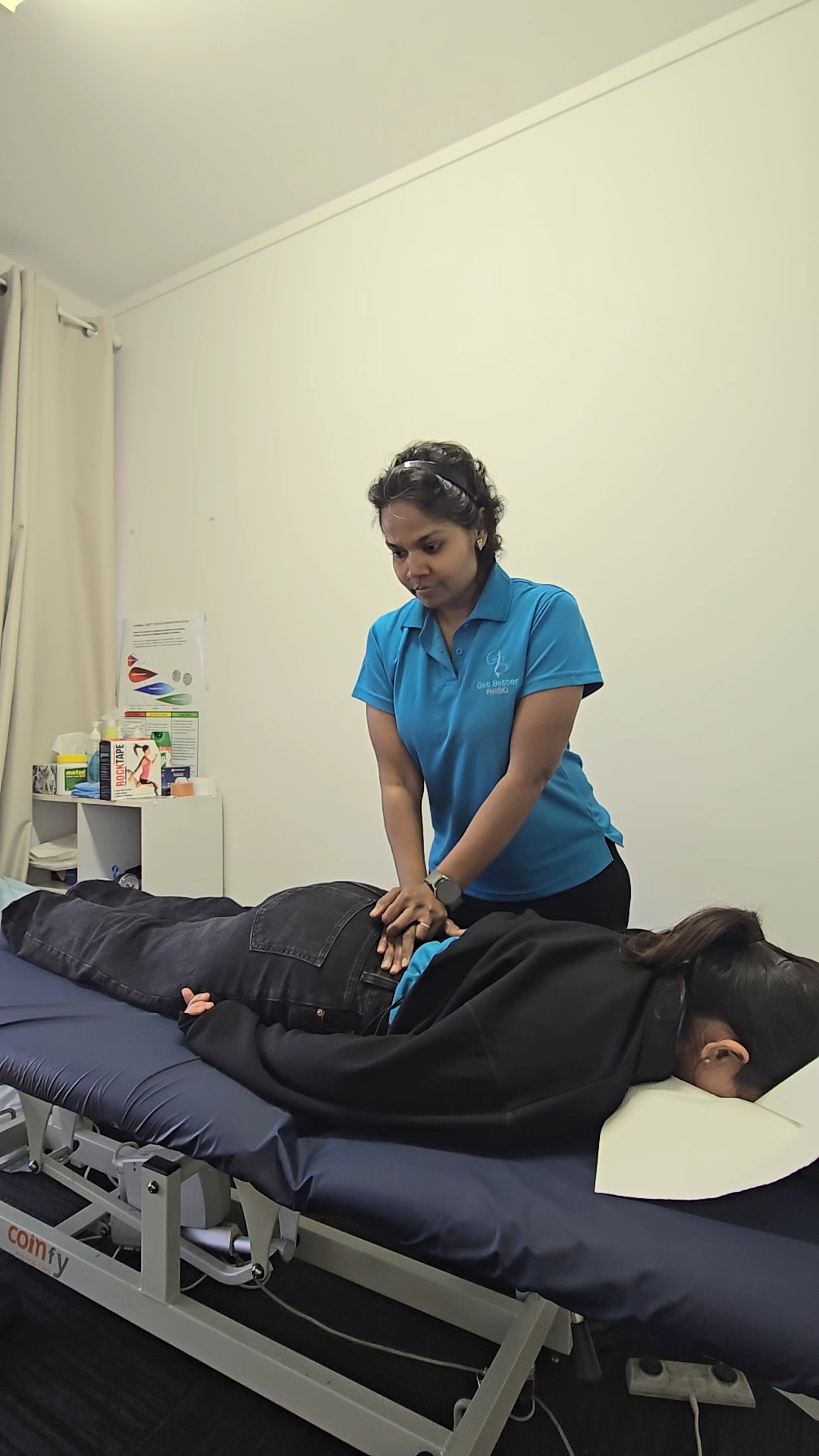
A weak core which includes the pelvic floor muscles can create a significant negative impact on the muscles and joints of the lower back because these muscles support the lower back. Hands-on therapy improved joint mobility and released muscle tension, leading to immediate pain relief. Once the pain is under control, we progress to tailored exercises to keep improving long term.
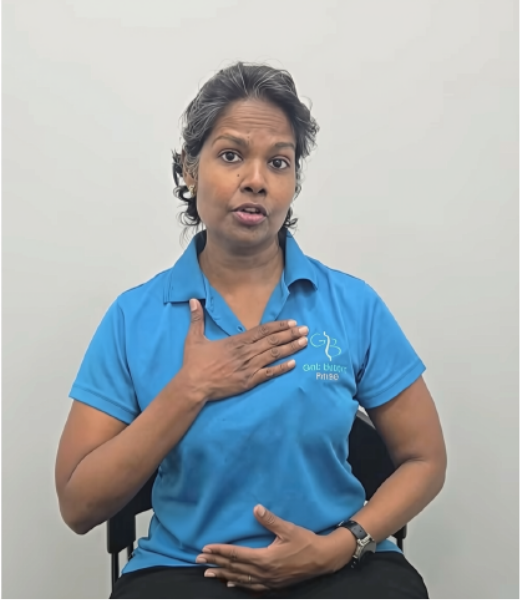
3. Breathing and Movement Coordination
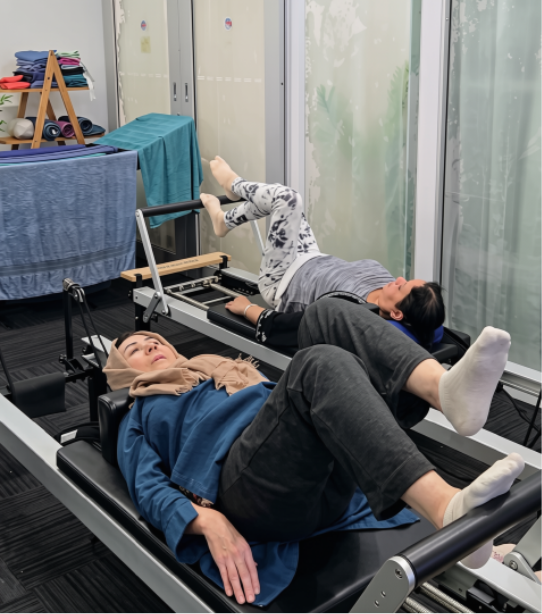
Learning how to coordinate breathing with abdominal muscle activity can help you manage pressure through your trunk during everyday movements and exercise. And we achieve this through Reformer Pilates rehabilitation.
4. Gradual Return to Exercise
Your programme can progress as your strength and movement confidence improve. This may include activities that support your return to gym workouts and other exercise.
Can You Work Out With Diastasis Recti?
In many cases, exercise can remain part of your recovery.
The important thing is choosing movements that suit your current ability and progressing them appropriately.
A physiotherapist may help you consider:
Exercises such as planks aren’t automatically unsuitable, but they may need to be modified depending on your symptoms, technique and current capacity.
You don’t need to avoid all exercise. Instead, focus on finding an approach that works for your body.
When Should You Seek Physiotherapy Advice?
Consider speaking with a physiotherapist if you’re concerned about abdominal separation, notice persistent changes in your core function or aren’t sure how to return to exercise after pregnancy.
An individual assessment can help identify your needs and guide your next steps.
Women’s Health Physiotherapy at Get Better Physiotherapy
At Get Better Physiotherapy in Regents Park, Brisbane South, our physiotherapy team provides personalised women’s health care to support postpartum recovery and abdominal rehabilitation.
Your care can be tailored to your symptoms, goals, and stage of recovery.
If you’re experiencing Diastasis Recti Symptoms
Book a Women’s Health Physiotherapy Assessment to discuss your concerns and explore an approach suited to your needs.
Leave A Comment