

Pregnancy and childbirth bring many changes to your body, and recovery can take time. While exercises can play an important role in rebuilding strength, postpartum core recovery also involves the everyday movements and habits you repeat while caring for your baby, completing household tasks, and returning to your usual activities.
Your core muscles work together with your breathing muscles and pelvic floor to support your trunk and help you manage movement and pressure. After pregnancy, these muscles may need time and gradual, appropriate exercise to regain coordination and strength. If you have diastasis recti, which is a separation between the two sides of the rectus abdominis muscles, you may also notice abdominal bulging or difficulty managing certain movements.
Everyday habits do not necessarily cause diastasis recti, but some movements may feel uncomfortable or challenging while your body is recovering. Learning to adjust how you sit, lift, breathe, and pace your activities can help you move with greater comfort and confidence.
Here are seven everyday habits to be mindful of after pregnancy, along with practical adjustments you can try.
1. Poor Posture
New parents spend a lot of time feeding, carrying, and settling their babies. These activities can involve prolonged sitting, leaning forward, or looking down. If you regularly find yourself in an uncomfortable position, you may experience additional tension in your back, shoulders, or abdominal area.
Posture alone does not cause diastasis recti, but comfortable positioning can make daily activities easier and reduce unnecessary muscular discomfort. Rather than trying to maintain one perfectly straight position all day, aim to change positions regularly and find support when you need it.
Adjustment Tips:
- Use supportive seating: Choose a chair that supports your back, particularly during longer feeding sessions. A cushion behind your lower back may help you feel more comfortable.
- Keep your feet supported: Place your feet flat on the floor or use a footrest when sitting, if that feels comfortable.
- Bring your baby closer: Use pillows or feeding supports to bring your baby towards you instead of repeatedly leaning forward.
- Change positions regularly: Take short movement breaks and avoid staying in the same position for extended periods.
- Focus on comfort: Let your shoulders relax and breathe naturally instead of holding your stomach tightly or forcing your back into a rigid position.
Small adjustments can make feeding and caring for your baby more comfortable throughout the day.
2. Lifting Incorrectly
Lifting is a regular part of caring for a newborn. You may lift your baby from a cot, pick up a car seat, carry shopping bags, or move laundry around the house. These movements can feel more demanding when you are tired or still rebuilding strength after pregnancy.
Lifting does not automatically damage your abdominal muscles, but a heavy or awkward lift may increase discomfort or make it harder to coordinate your breathing and trunk muscles. The goal is to find a controlled, comfortable way to lift that suits your current ability.
Adjustment Tips:
- Keep the object close: When picking up your baby or another item, bring it close to your body where practical before lifting.
- Bend your hips and knees: Use a comfortable bending position and your legs to help you rise rather than relying only on your lower back.
- Breathe throughout the movement: Avoid holding your breath. Breathe out during the more effortful part of the lift if that feels comfortable.
- Avoid twisting under load: Turn your feet and whole body rather than twisting your trunk while carrying a heavy object.
- Adjust the task when needed: If an item feels too heavy or awkward, ask for help or break the task into smaller steps.
If a lift causes pain, pronounced abdominal bulging, or pelvic pressure, stop and modify the movement. A physiotherapist can help you identify suitable lifting strategies as your strength improves.
3. Holding Your Breath
You might not notice it, but you may hold your breath when standing up, lifting your baby, pushing a pram, or completing a difficult household task. Breath-holding can change pressure within your abdomen and may make some movements harder to manage, especially when you are rebuilding core coordination.
Breathing and core function are closely connected. Your diaphragm, abdominal muscles, and pelvic floor work together as you breathe and move. Learning to breathe comfortably during everyday activities can help you coordinate these muscles without constantly bracing or tightening your stomach.
Adjustment Tips:
- Practise relaxed breathing: Sit or lie in a comfortable position and allow your ribs and abdomen to move naturally as you breathe.
- Exhale during effort: Try breathing out as you stand from a chair or lift an object if it helps the movement feel more comfortable.
- Avoid constant bracing: You do not need to keep your abdominal muscles tightly contracted throughout the day.
- Start with manageable movements: Practise your breathing while doing simple activities before applying it to more demanding tasks.
- Seek guidance if needed: A physiotherapist can assess your breathing and core coordination and suggest exercises appropriate for your recovery.
The aim is not to control every breath perfectly. Instead, develop a comfortable breathing pattern that supports your daily movements.
4. Rushing Through Tasks
Caring for a baby often means juggling multiple responsibilities with limited time. You might rush to lift the pram into the car, carry several items at once, or complete household chores while your baby is sleeping.
When you are tired or hurrying, it can be harder to notice your body position, breathing, and comfort. Moving more deliberately may help you manage tasks with better control and recognise when you need to pause.
Adjustment Tips:
- Slow down where possible: Give yourself a little more time when lifting, bending, standing, or carrying your baby.
- Break tasks into smaller steps: Carry fewer items at a time and avoid combining several physically demanding activities.
- Use practical supports: Keep frequently used baby supplies within easy reach to reduce repeated bending and stretching.
- Pay attention to symptoms: If you notice pain, abdominal doming, or pelvic heaviness, pause and consider modifying the task.
- Plan regular breaks: Short rests can help you manage fatigue, particularly during busy days.
You do not need to perform every movement perfectly. The goal is to find manageable ways to complete daily tasks while allowing your body time to recover.
5. Ignoring Pelvic Floor Exercises
The pelvic floor muscles help support the pelvic organs and contribute to bladder and bowel control. They also work with the diaphragm and abdominal muscles to help manage pressure during movement. Pregnancy and childbirth can affect pelvic floor function, so recovery may involve more than focusing on the abdominal muscles alone.
However, pelvic floor recovery is not the same for everyone. Some people need to improve muscle strength, while others may have difficulty relaxing or coordinating these muscles. Repeatedly squeezing the pelvic floor without understanding what your body needs may not be appropriate for everyone.
Adjustment Tips:
- Understand your pelvic floor: Learn how these muscles contract and relax rather than focusing only on squeezing.
- Choose suitable exercises: Pelvic floor exercises, including Kegels, may be helpful for some people when performed correctly and when appropriate for their symptoms.
- Practise relaxed breathing: Avoid holding your breath or tightening your abdominal muscles excessively while exercising.
- Do not push through discomfort: Pain, difficulty relaxing the pelvic floor, or increased pelvic pressure may mean you need a different approach.
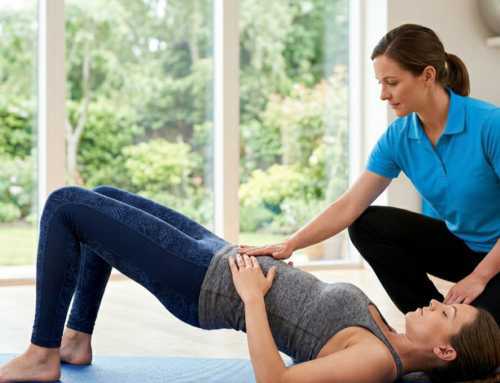
- Consider a physiotherapy assessment: A physiotherapist can help determine whether strengthening, relaxation, coordination, or another strategy is appropriate for you.
Supporting pelvic floor function can be an important part of postpartum rehabilitation, but your exercise plan should reflect your individual needs.
6. Wearing Unsupported Footwear
After pregnancy, you may spend long periods standing while preparing meals, carrying your baby, or completing household tasks. If your feet feel uncomfortable, your shoes are poorly fitted, or you are standing on hard surfaces for extended periods, you may notice discomfort in your feet, legs, or back.
Footwear does not directly cause diastasis recti, and there is no single type of shoe that guarantees better core recovery. However, comfortable shoes may make walking and standing easier, helping you remain active in a way that suits your current ability.
Adjustment Tips:
- Choose comfortable footwear: Look for shoes that fit properly and feel stable during walking and standing.
- Consider your daily activities: Select footwear suited to the surfaces you walk on and the amount of time you spend on your feet.
- Avoid pushing through discomfort: If your feet, knees, hips, or back become uncomfortable, take a break and review your footwear or activity level.
- Vary your position: Alternate standing with sitting when possible, especially during longer household tasks.
- Build activity gradually: Increase walking time or other physical activities at a pace that feels manageable.
Comfortable footwear is one practical consideration for everyday movement. If you have persistent pain or difficulty walking comfortably, seek advice from a suitable healthcare professional.
7. Skipping Rest and Recovery
Looking after a newborn can make rest difficult. Between feeding, changing nappies, household responsibilities, and interrupted sleep, it is easy to keep going even when you feel exhausted.
Your body needs time to recover after pregnancy and childbirth. Doing too much too soon may increase fatigue or discomfort and make it harder to maintain a manageable activity routine. Rest is not a sign of weakness; it is one part of adjusting your activity to your current needs.
Adjustment Tips:
- Balance activity with rest: Alternate demanding tasks with lighter activities or short breaks.
- Ask for help: Share household responsibilities and baby-care tasks when support is available.
- Return to exercise gradually: Increase the intensity and duration of exercise in stages rather than rushing to your previous routine.
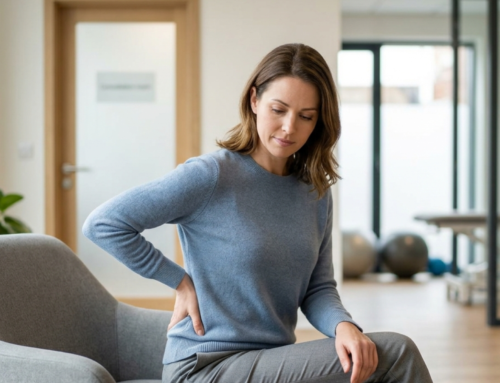
- Pay attention to your symptoms: Persistent pain, increasing abdominal bulging during movement, urinary leakage, or pelvic heaviness are reasons to seek professional advice.
- Prioritise sleep where possible: Rest when opportunities arise and ask for support to make recovery time more manageable.
Recovery looks different for every person. A gradual approach can help you rebuild confidence without feeling that you need to do everything at once.
How to Support Postpartum Core Recovery
Postpartum core recovery is about more than performing abdominal exercises. It also involves learning how to coordinate your breathing, manage daily movements, build strength gradually, and respond to your body’s changing needs.
Start with manageable adjustments to your daily routine. Use comfortable positions when feeding your baby, breathe naturally during effort, lift with control, and allow yourself breaks when you need them. You do not need to change every habit at once. Choose one or two adjustments that feel realistic and build from there.
If you have concerns about diastasis recti, ongoing back or pelvic pain, urinary leakage, or a feeling of heaviness in your pelvic area, an individual assessment can help clarify what may be contributing to your symptoms.
For additional information about recovery after birth, visit Pregnancy, Birth and Baby, an Australian Government-supported resource for pregnancy and parenting information.
Support Your Recovery With Get Better Physiotherapy
Every postpartum recovery journey is different. If you are unsure how to rebuild your core strength, manage diastasis recti, or return to exercise comfortably, Get Better Physiotherapy can help you understand your options.
Our physiotherapy team in Brisbane South can assess your concerns and provide personalised guidance based on your symptoms, goals, and stage of recovery.
Want guidance for your postpartum recovery? Book a physiotherapy appointment with Get Better Physiotherapy to discuss your concerns and find a suitable next step.
Leave A Comment