Okay, so let’s talk about something nobody really prepares you for…
Exercise after a C-section.
And I’m not talking about those glossy magazine articles that make it sound like you’ll be doing planks three weeks postpartum.
I’m talking about the real stuff – like how your belly feels completely numb around the scar, or how picking up your baby makes your back scream, or how you tried to do a sit-up and felt like your insides were going to fall out.
(Yeah, we’re going there.)
Here’s the thing: Your core isn’t gone after a C-section. It just needs the right recovery plan before normal exercise feels possible again.
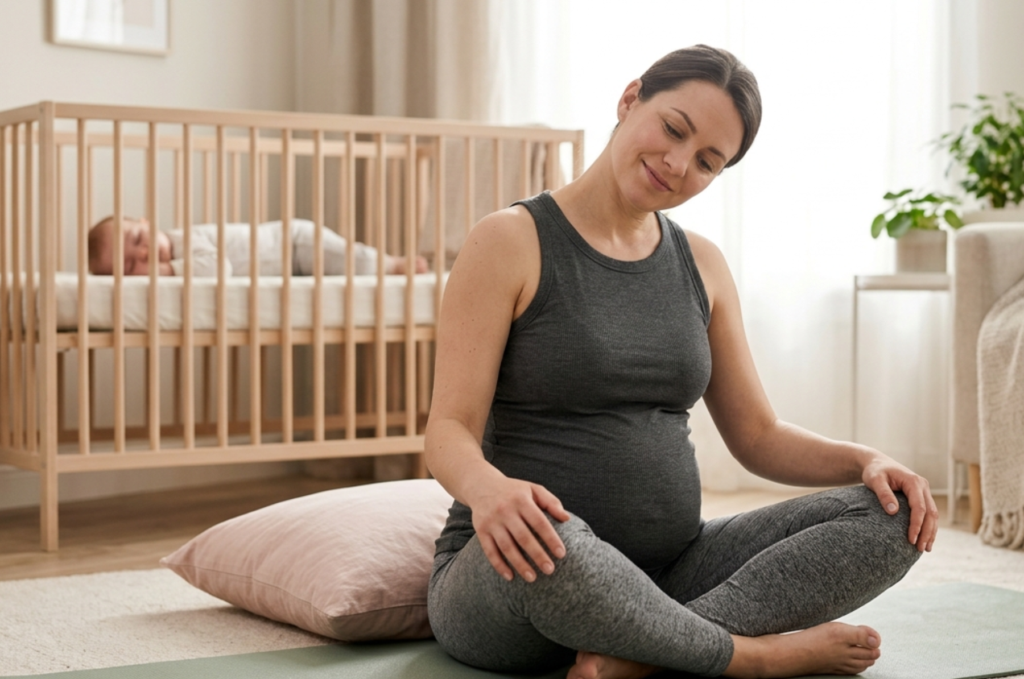
The Stuff Nobody Tells You (But Really Should)
So you’ve had your C-section, you’re home with your beautiful baby, and you’re thinking, “When can I start feeling like myself again?”
But here’s what’s actually happening:
Your belly feels weird and numb around the scar. Your back is killing you every time you lift the baby. And those core muscles that used to hold everything together? They feel like they’ve completely checked out.
Some of your friends are already back at the gym posting sweaty selfies. So you think, “Maybe I should try that YouTube workout…”
And within five minutes, you realize something feels really wrong.
Or maybe you’re on the opposite end – so terrified of damaging your scar or “breaking something inside” that you’re barely moving at all.
If any of this sounds familiar, you’re not alone.
At Get Better Physiotherapy in Regents Park, our physio team talks to women across Brisbane South every single week who feel exactly the same way.
They want to get stronger. They want to feel confident in their body again. They just need someone to tell them what’s actually safe and what’s not.
That’s what this guide is all about.
Why This Actually Matters (More Than You Think)
Here’s what a lot of people don’t realize:
A C-section isn’t just “another way to have a baby.”
It’s major abdominal surgery.
They literally cut through multiple layers of your body – skin, abdominal muscles, fascia, your uterus – to get your baby out.
That’s a big deal.
And that’s why recovery takes time. Sometimes longer than you’d expect.
I’ve talked to women who are six months postpartum and still feel like their core is MIA. Or their back hurts constantly because their body is compensating for weak abdominal muscles.
But here’s the good news:
Safe, guided exercise can actually help you heal better and feel better – both physically and mentally.
What you get from proper C-section recovery exercise:
- Your abdominal muscles start working again (instead of just hanging out doing nothing)
- Your pelvic floor gets stronger (goodbye, leaking when you sneeze)
- Your back pain improves because your core is actually supporting you
- Your posture gets better (which matters when you’re constantly holding a baby)
- Your mental health improves (because moving your body genuinely helps with postpartum mood)
But honestly? The biggest thing most women tell us is this:
They finally feel confident again.
Instead of second-guessing every movement and worrying they’re going to hurt themselves, they know exactly what they’re doing and why.
So When Can You Actually Start?
This is the million-dollar question, right?
And the honest answer is: It depends.
Everyone heals differently. Some women bounce back faster, others need more time – especially if there were complications during pregnancy or delivery.
Here’s a general timeline that works for most people:
First few days: Just focus on gentle breathing and light movement around the house
First 2 weeks: Short walks are your friend. Nothing crazy – just getting your body moving
Around 6 weeks: You’ll have a check-up with your doctor or obstetrician (this is important!)
After you get clearance: You can start gradually getting back into structured exercise
The key word here is gradually.
Your body just went through something massive. Give it the time and respect it deserves.
What’s Actually Going On Inside Your Body
Okay, let’s get into what’s happening under the surface – because understanding this makes everything else make sense.
Your Abdominal Muscles
During pregnancy, your abdominal muscles stretched like crazy to make room for your growing baby.
Then during surgery, they got cut through or moved aside.
A lot of women end up with something called diastasis recti – which is basically when your ab muscles separate down the middle of your belly.
This makes your core feel weak, unstable, and kind of… disconnected.
Scar Tissue
As your body heals, scar tissue forms. That’s normal and good.
But sometimes that scar tissue gets tight and restricts how you move. It can even contribute to back pain.
The good news? Gentle movement and the right physio techniques can help loosen things up over time.
Your Pelvic Floor
Even though your baby came out through surgery, your pelvic floor still went through nine months of pregnancy.
It was holding up all that extra weight, dealing with hormonal changes, and getting stretched.
So yeah, it needs some TLC too – especially if you want to avoid issues like leaking when you laugh or sneeze.
The 3-Step Recovery Process We Use
At our clinic in Regents Park, we keep things simple with a three-step process:
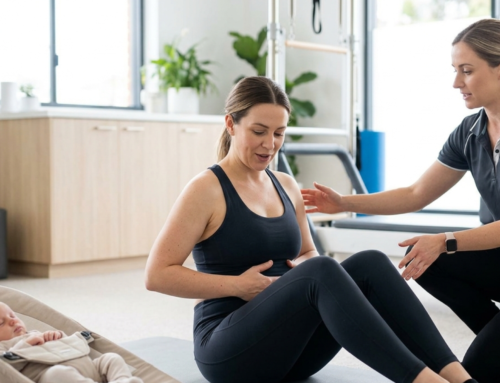
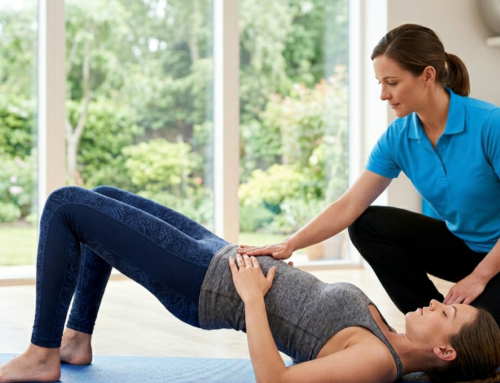
Step 1: We assess your abdominal muscles and pelvic floor to see what’s actually going on – checking for things like diastasis recti and how your scar is healing
Step 2: We create a personalized exercise program that activates your deep core muscles safely (no generic “one size fits all” stuff)
Step 3: We gradually help you return to normal fitness so you can rebuild strength and confidence without fear
This approach works because it’s tailored to you and where your body is at right now.
Safe Exercises to Start With
Early on, you want to focus on gentle movements that wake up those deep support muscles.
Breathing and Core Activation
I know, I know – breathing exercises sound boring.
But honestly? They’re one of the most important things you can do.
Deep breathing helps reconnect your diaphragm, abdominal muscles, and pelvic floor. It’s like getting your whole core team talking to each other again.
Pelvic Floor Exercises
Kegels are your friend here.
They strengthen your pelvic floor muscles and help support your bladder and pelvic organs.
Here’s how to do them:
- Tighten the muscles you’d use to stop peeing midstream
- Hold for a few seconds
- Relax slowly
- Repeat throughout the day
A lot of women aren’t sure if they’re doing these correctly, which is where working with a physio can really help.
Gentle Walking
Walking is honestly one of the best things you can do early on.
It gets your blood flowing, reduces stiffness, and helps your body remember how to move normally again.
Start with just a few minutes and gradually build up over several weeks.
What to Avoid (At Least for Now)
Some exercises are just too much too soon.
During early recovery, skip:
- Crunches or sit-ups
- Heavy lifting
- High-impact stuff like running or jumping
- Planks or intense core workouts
These movements put too much pressure on your healing abdominal muscles and can actually slow down your recovery.
A good physio program will gradually reintroduce these exercises when your body is actually ready for them.
The Mental Health Piece (Because It Matters)
Let’s be real for a second:
Adjusting to life with a newborn is hard.
You’re not sleeping. Your hormones are all over the place. You’re trying to figure out how to keep a tiny human alive.
It’s a lot.
And research shows that safe physical activity can genuinely help reduce symptoms of postpartum depression and improve your overall wellbeing.
What exercise can do for your mental health:
- Improve your mood and emotional health
- Give you more energy (even when you’re exhausted)
- Reduce stress and anxiety
- Help you sleep better
Plus, for a lot of new parents, exercise is that precious time to reconnect with your own body after everything it’s been through.
Why Working With a Physio Actually Helps
Here’s the problem with most fitness programs:
They’re not designed for bodies recovering from major surgery.
They’re designed for… well, everyone else.
Physiotherapy is different because it’s personalized to your specific needs after pregnancy and caesarean birth.
At our clinic, an assessment might include:
- Testing how your abdominal muscles are functioning
- Checking for diastasis recti
- Evaluating your pelvic floor strength
- Assessing how your scar is healing and moving
- Looking at your posture and how you’re moving
This gives us the information we need to create a recovery program that’s actually safe and effective for you.
Most women tell us they feel this huge sense of relief after their first appointment – because they finally understand what their body needs and have a clear plan forward.
Getting Back to Gym, Pilates, or Running
If you were active before pregnancy, you’re probably itching to get back to your regular workouts.
And you will. Just not quite yet.
Before you jump back into high-intensity training, make sure:
- Your abdominal muscles are functioning properly
- Your pelvic floor strength has improved
- Your scar tissue has healed well
- Exercise doesn’t cause pain, pressure, or other weird symptoms
Most healthcare professionals recommend waiting around three months before high-impact exercise, but everyone’s different.
A physio assessment can help you figure out when your body is ready.
We’re Here to Help in Regents Park
At Get Better Physiotherapy, we specialize in pregnancy and postpartum recovery.
We offer:
- C-section recovery physiotherapy
- Core rehabilitation programs
- Clinical Pilates guided by physiotherapists
- Postnatal exercise programs
- Education about safe movement and lifting
We work with mums across Regents Park, Browns Plains, Flagstone, and Greenbank who come in feeling unsure, overwhelmed, or just plain lost about how to exercise after their C-section.
And with the right guidance, most discover their body just needed structured support and a clear plan.
You Can Rebuild Your Strength (We Promise)
Exercise after C-section isn’t about rushing back into your old routine.
It’s about rebuilding your core safely so your body can support you for years to come – while you’re chasing toddlers, carrying groceries, and living your life.
Your C-section doesn’t define your fitness future.
With the right guidance, your strength and confidence will come back.
If you’re unsure where to start, a physiotherapy assessment can give you the clarity and reassurance you need.
You can book an appointment at Get Better Physiotherapy in Regents Park to get a personalized C-section recovery exercise plan.
And if you found this helpful, share it with other mums who might need it – or check out more articles on our blog about pregnancy, postpartum recovery, and physiotherapy.
Leave A Comment