
Postpartum recovery can feel confusing. Some changes after birth are expected, but symptoms like bladder leaks, heaviness, pressure, discomfort, or reduced confidence with exercise can leave many new mums wondering what is normal and what needs support.
Postpartum pelvic floor weakness is common after pregnancy and delivery, but it is not something you need to simply “put up with.” Your pelvic floor plays an important role in bladder control, pelvic support, core strength, posture, and daily movement.
With the right guidance, many women can rebuild strength and confidence safely. This article explains what postpartum pelvic floor weakness is, why it happens, what signs to look for, what to avoid, and when physiotherapy in Regents Park may help.
What Is Postpartum Pelvic Floor Weakness?
Postpartum pelvic floor weakness means the muscles at the base of your pelvis are not providing their usual level of support, strength, coordination, or control after pregnancy and birth.
The pelvic floor is a group of muscles and connective tissues that sit like a supportive hammock across the bottom of the pelvis. These muscles help support the bladder, bowel, and uterus. They also contribute to:
- Bladder control
- Bowel control
- Pelvic organ support
- Core stability
- Sexual comfort and function
- Posture and spinal support
- Confidence with lifting, walking, exercise, and daily movement
During pregnancy, the pelvic floor supports the increasing weight of your growing baby. During birth and early recovery, these muscles may be stretched, strained, weakened, or less coordinated.
Pelvic floor weakness is not always about strength alone. Some women may have muscles that are weak, while others may have muscles that are overactive, tense, poorly coordinated, or difficult to relax. This is why an individual assessment can be so helpful.
Common Signs of Pelvic Floor Weakness After Birth
Postpartum pelvic floor weakness can show up in several ways. Some symptoms are obvious, while others are more subtle.
Common signs include:
- Leaking urine when coughing, sneezing, laughing, lifting, or exercising
- A sudden urge to go to the toilet
- Difficulty holding urine on the way to the bathroom
- Pelvic heaviness or dragging
- Pressure in the vagina or lower pelvis
- Reduced control when passing wind
- Lower abdominal or pelvic discomfort
- Feeling less supported through the pelvis
- Difficulty returning to walking, running, gym, or Pilates
- Reduced confidence lifting your baby, capsule, pram, or groceries
- Discomfort during intimacy
- Feeling like “something is not right” after birth
Some new mums only notice symptoms during specific activities. For example, you may feel fine at rest but leak when you sneeze, feel heaviness after a longer walk, or notice pressure when lifting your baby from the cot.
Symptoms can also fluctuate. They may feel worse when you are tired, constipated, standing for long periods, carrying your baby more than usual, or returning to exercise too quickly.
These symptoms are common, but they should not be dismissed. They are signs that your pelvic floor and core system may need support.
Why Pelvic Floor Weakness Happens After Pregnancy and Delivery
Postpartum pelvic floor weakness can happen for many reasons. Often, several factors combine during pregnancy, birth, and early motherhood.
Common contributors include:
Pregnancy load
As your baby grows, your pelvic floor supports more weight. This increased load can stretch and fatigue the muscles over time.
Hormonal changes
Pregnancy hormones affect ligaments and connective tissue, which can influence pelvic support and stability.
Vaginal delivery
During vaginal birth, the pelvic floor stretches significantly. Prolonged pushing, assisted delivery, tearing, episiotomy, or a larger baby may increase the load on the pelvic floor.
C-section recovery
A caesarean birth does not remove the effect of pregnancy on the pelvic floor. The abdominal wall also needs time to heal, which can affect core function and pressure control.
Reduced strength and coordination
After birth, your pelvic floor may not automatically switch on and relax well. Some women need help reconnecting with these muscles.
Constipation and straining
Straining on the toilet can increase pressure on the pelvic floor and may worsen symptoms such as heaviness or leaking.
Feeding and carrying postures
Long periods of sitting, feeding, rocking, and carrying can affect posture, breathing, core control, and pelvic floor pressure.
Returning to exercise too soon
High-impact exercise, heavy lifting, intense abdominal work, or running before your body is ready can increase symptoms.
Postpartum recovery is not about blaming one activity or one type of birth. It is about understanding what your body has been through and rebuilding gradually.
Pelvic Floor Weakness After Vaginal Birth vs C-Section
A common misconception is that pelvic floor weakness only happens after vaginal birth. In reality, pelvic floor symptoms can occur after both vaginal birth and caesarean birth.
After a vaginal birth, the pelvic floor may be affected by stretching, pressure, pushing, tearing, stitches, swelling, or birth trauma. Some women may notice leaking, heaviness, discomfort, or difficulty activating the pelvic floor.
After a C-section, the pelvic floor has still supported the weight of pregnancy for many months. The abdominal muscles and connective tissue also need time to recover after surgery. Because the core and pelvic floor work closely together, changes in abdominal function can influence pelvic floor control.
This means a new mum can experience postpartum pelvic floor weakness even if she did not push during labour or had a planned caesarean.
The type of birth matters, but it is only one part of the picture. A postnatal physio assessment looks at your symptoms, strength, posture, breathing, abdominal recovery, pelvic control, and daily movement patterns.
How Pelvic Floor Weakness Can Affect Back Pain, Core Strength, and Daily Movement
The pelvic floor is part of your deep core system. It works with the diaphragm, deep abdominal muscles, back muscles, and hip muscles to help support your spine and pelvis.
When the pelvic floor is weak or poorly coordinated, other areas may have to work harder. This can contribute to:
- Lower back pain
- Hip or pelvic discomfort
- Reduced core strength
- Poor posture
- Difficulty lifting
- Feeling unstable during movement
- Trouble returning to exercise
- Increased fatigue during daily activities
For example, lifting your baby from the cot requires your breath, core, pelvic floor, hips, and back to work together. If your pelvic floor is not supporting well, you may compensate by gripping through your lower back, holding your breath, or bracing your abdomen too hard.
Feeding posture can also play a role. Sitting for long periods with rounded shoulders and a tucked pelvis may increase pressure through the pelvic floor and strain through the back.
This is why pelvic floor recovery is often connected to core rehab and back pain management. At a physiotherapy and Pilates centre, the goal is not only to strengthen one muscle group. The goal is to help your body move, lift, breathe, and function with better support.
What New Mums Should Avoid When Symptoms Are Present
When symptoms such as leaking, heaviness, pressure, or pelvic discomfort are present, it can help to temporarily modify certain activities.
This does not mean you need to stop moving. It means your body may need a more gradual return to load.
Things to avoid or modify include:
High-impact exercise too early
Running, jumping, skipping, burpees, and high-intensity workouts can increase pelvic floor pressure if your body is not ready.
Heavy lifting without support
Lifting heavy weights, heavy prams, baby capsules, or groceries may worsen symptoms if you hold your breath or strain.
Breath-holding
Holding your breath during lifting or exercise increases downward pressure through the pelvic floor. Try exhaling gently during effort.
Intense abdominal exercises
Sit-ups, crunches, double leg lowers, advanced planks, and aggressive core workouts may be too much in early recovery, especially if you notice pressure, doming, leaking, or pain.
Pushing through symptoms
Leaking, heaviness, and pressure are signs to pay attention to. Ignoring them can delay recovery.
Straining on the toilet
Constipation and straining can increase pelvic floor load. Aim for good hydration, fibre, relaxed breathing, and a supported toilet posture.
Standing or walking beyond your current tolerance
If symptoms worsen after long walks or long periods of standing, reduce the duration and build up gradually.
A helpful rule is to monitor how your body feels during activity, immediately after, and later that day. If symptoms increase, your current load may need adjusting.
How Physiotherapy Can Support Pelvic Floor Recovery
Physiotherapy can help new mums understand what is causing their symptoms and how to recover safely.
A postnatal physiotherapy assessment may include:
- Discussion of pregnancy, birth, and recovery history
- Review of bladder, bowel, pelvic, back, and core symptoms
- Assessment of posture and movement
- Breathing and pressure control assessment
- Core and pelvic floor coordination checks
- Screening for abdominal separation, if relevant
- Functional movement review, such as lifting, bending, walking, and getting up from the floor
- Education about what to do and what to avoid
- A tailored recovery plan
Physiotherapy support may involve:
- Pelvic floor exercise guidance
- Relaxation and coordination strategies
- Breathing retraining
- Core rehab
- Posture and feeding advice
- Back pain treatment
- Manual therapy where appropriate
- Pilates-based strengthening
- Gradual return-to-exercise planning
At Get Better Physiotherapy and Pilates Centre in Regents Park, the approach is built around finding the root cause first. This means your physiotherapist looks at how your symptoms affect your daily life, then creates a plan that supports both short-term relief and long-term strength.
For some women, pelvic floor recovery may involve strengthening. For others, it may involve learning to relax overactive muscles first. This is why personalised guidance is better than guessing with generic exercises.
Safe Ways to Rebuild Strength and Confidence After Birth
Safe recovery after postpartum pelvic floor weakness should be gradual, practical, and matched to your symptoms.
Helpful starting points may include:
Breathing and pelvic floor awareness
Learning to breathe into the ribs and relax the abdomen can help reduce unnecessary tension. Gentle pelvic floor contractions may then be added with good control.
Pelvic floor coordination
A healthy pelvic floor needs to contract and relax. Recovery is not only about squeezing. Full relaxation matters too.
Gentle core activation
Deep core exercises can help reconnect the pelvic floor, lower abdomen, and breathing system.
Posture support
Small changes to feeding, sitting, standing, and pram pushing posture can reduce strain.
Functional strengthening
Exercises should eventually support real life, including lifting your baby, carrying bags, pushing the pram, and getting up from the floor.
Modified Pilates
Postnatal Pilates can be helpful when exercises are chosen carefully. It can support posture, core strength, pelvic control, and movement confidence.
Gradual return to impact
Running, jumping, and higher-intensity workouts should be reintroduced gradually and only when symptoms are well managed.
Examples of early-stage exercises may include:
- Diaphragmatic breathing
- Gentle pelvic floor contractions and relaxations
- Pelvic tilts
- Heel slides
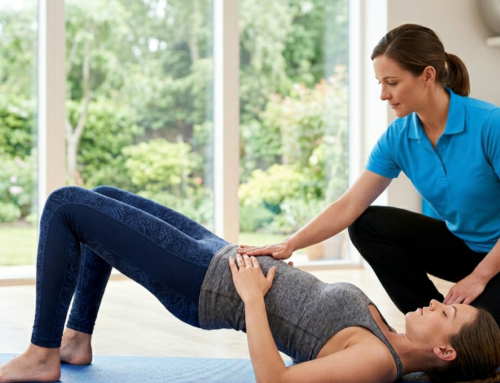
- Supported bridges
- Sit-to-stand practice
- Side-lying glute exercises
- Modified Pilates movements
The best exercise is not always the hardest one. The best exercise is the one your body can perform with good control, no increase in symptoms, and steady progress over time.
When to See a Postnatal Physio in Regents Park
You should consider seeing a postnatal physio in Regents Park if you are experiencing symptoms that affect your comfort, confidence, or daily activities.
Book an assessment if you notice:
- Urine leaking
- Pelvic heaviness or dragging
- Vaginal pressure
- Difficulty controlling urgency
- Pain or discomfort around the pelvis
- Lower back pain after birth
- Difficulty lifting or carrying your baby
- Symptoms during walking, Pilates, gym, or running
- Uncertainty about safe exercises
- Symptoms that are not improving with time
- Fear or lack of confidence returning to movement
You can also book a postnatal assessment even if your symptoms are mild. Early guidance can help you avoid aggravating movements and build strength safely.
At Get Better Physiotherapy and Pilates Centre, the recovery process is designed to be clear and supportive:
- Find the root cause with a full assessment.
- Get pain relief with hands-on physiotherapy and manual therapy where appropriate.
- Get strong with Pilates for back pain, core rehab, and progressive strengthening.
If postpartum pelvic floor weakness is affecting your bladder control, back pain, movement confidence, or return to exercise, professional support can help you understand what is happening and what to do next.
Book a consult with Get Better Physiotherapy and Pilates Centre in Regents Park, or call 07 3800 3417 to speak with the friendly team about postnatal physiotherapy, pelvic floor recovery, core rehab, and Pilates support.
Leave A Comment