
Let me guess…
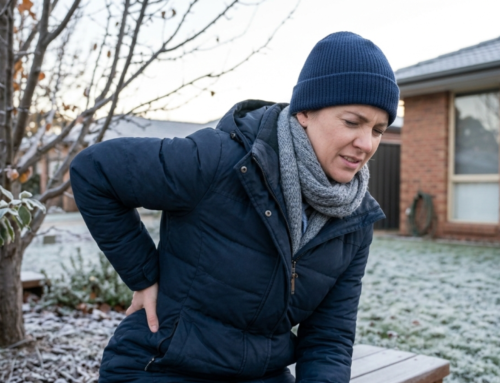
Your back went out.
Maybe you bent down to pick up your kid. Maybe you lifted something at the gym. Maybe you just rolled over in bed the wrong way.
And now you’re stuck.
You can barely sit. Standing up straight feels impossible. Getting in and out of the car is a nightmare. And every time you try to move, your back screams at you.
So you tried rest. You tried heat packs. You took some painkillers.
And you’re still in pain.
Here’s the truth:
Your back pain is not just part of being a mum, and you don’t have to live with it.
If rest and heat packs worked, you wouldn’t still be reading this.
At Get Better Physiotherapy in Regents Park, our team focuses on calming the flare-up first, then building a plan so the same lower back pain doesn’t keep coming back.
Because here’s what most people don’t realize:
Low back pain is one of the most common musculoskeletal health problems in the world, and it’s the leading cause of disability globally.
But good early care matters.
Most people do best with practical advice, movement, and rehabilitation—not panic, prolonged rest, or jumping straight to scans or invasive procedures.

You May Be a Good Fit for Our Back Pain Relief Clinic If You Have:
- Sudden lower back pain after lifting, bending, gardening, gym, work, or getting up awkwardly
- An acute flare-up of an older problem that has suddenly become much worse
- Pain that makes it hard to sit, stand upright, roll in bed, drive, or pick up your child
- Back pain with referral into the buttock or leg, including early sciatica symptoms
- Post-pregnancy lower back pain that has flared after carrying, feeding, or poor sleep
- A recent strain, muscle spasm, disc irritation, or a sharp increase in persistent symptoms
Sound familiar?
This page is specifically about the first job: reducing pain, improving movement, and helping you feel safe enough to get through the next stage.
(If you’re dealing with chronic, long-term back issues, our broader back pain physiotherapy page covers the full picture of diagnosis and long-term rehabilitation.)
What We Focus On in the First Appointment
When your back flares up, most people want to know three things:
What’s going on?
What should I do today?
How do I stop this from dragging on?
That’s exactly what your first appointment is designed to answer.
We start with a focused physiotherapy assessment to understand your symptoms, how the pain started, what movements make it worse, whether there are signs of disc or nerve involvement, and whether the pattern looks like a common lower back strain, joint irritation, muscular overload, or something that needs medical review.
We’re looking for the likely cause, but also for the things that make this specific flare-up hard to settle—such as poor sleep, high load, guarding, posture, and reduced confidence in movement.
Here’s something important:
Routine imaging is usually not recommended for non-specific acute low back pain unless there are red flags or the result is likely to change management.
In other words, a good clinical assessment often matters more than rushing straight to a scan.
Our 3-Step Back Pain Relief Process
Step 1: Calm It Down
Focus on pain relief, reducing muscle guarding, easing strain on the spine, and helping you feel less stuck.
Step 2: Get You Moving
Use tailored exercises, posture advice, and simple movement strategies so you can sit, stand, walk, and sleep more comfortably.
Step 3: Stop It Coming Back
Build a longer-term plan for strength, load management, and rehabilitation so the same lower back pain doesn’t keep repeating.
This is the difference between quick temporary relief and a plan that actually helps.
Our goal is not just to make you feel slightly better for a day or two.
It’s to help you get through the flare-up properly, then move toward lasting results.
What Treatment May Include
Your treatment depends on the pattern we find during your consultation.
For an acute case, physiotherapy often focuses on a few high-value things done well.
That may include:
- Hands-on therapy to reduce muscle tension and stiffness
- Guided exercises to restore safer movement
- Advice on position changes and posture
- Walking or movement dosing
- Strategies for getting in and out of bed
- A tailored plan for sitting, lifting, and work
For some patients, dry needling or soft tissue therapy may help as part of a broader treatment approach.
For others, the priority is simply learning the few movements that settle symptoms and the few movements to avoid for now.
We recommend exercise for low back pain and say manual therapy—including spinal manipulation, mobilization, or soft tissue techniques such as massage—should only be used as part of a treatment package that includes exercise.
We also advise against prolonged bed rest for non-specific low back pain because staying as active as you can, within reason, is usually more helpful.
That’s why our approach is symptom-relief-first, but not symptom-relief-only.
We want to help you feel better quickly, then give you the right exercises and management plan so the problem doesn’t simply return next week.
Why This Matters for Mums and Busy Workers
Back pain rarely arrives at a convenient time.
It shows up when you still need to do school drop-off, carry a baby, sit through meetings, stand at the kitchen bench, or get through a shift.
For mums:
Lower back pain often becomes associated with lifting, feeding, carrying, poor sleep, and the body changes that happen during pregnancy and postpartum recovery.
For office workers and tradespeople:
The pattern may be different, but the result is similar—you start avoiding movement, your confidence drops, and every flare-up feels bigger than it should.
Here’s the real reason back pain keeps coming back:
It’s not always that your body is weak or damaged.
Quite often, it’s that the original cause was never properly addressed, the load on the spine wasn’t managed well, or the exercises were too generic to match your actual movement pattern.
That’s where tailored physiotherapy makes a difference.
What You Can Expect After the First Few Days
A lot of people feel anxious when pain is sharp, new, or rapidly worse than usual.
That’s understandable.
The good news is that many acute lower back episodes settle with time and the right non-surgical care.
In practical terms, after your first visit you should expect to understand:
- What pattern your pain most likely fits
- Which movements are helpful right now
- Which positions or loads to reduce for a short period
- Which exercises to start with
- When to progress, and when to get reviewed again
That clarity alone often reduces fear and helps people move better.
Good treatment isn’t just about what happens on the table.
It’s also about knowing what to do between appointments.
When You Should Seek Urgent Medical Attention
Most lower back pain is not dangerous, but some signs need urgent medical review.
Seek immediate medical help if you have:
- New loss of bladder or bowel control
- Numbness around the saddle area
- Major trauma
- Fever with severe spinal pain
- Unexplained weight loss
- Rapidly worsening weakness in the leg or foot
Those symptoms may point to a less common but more serious problem and should not be managed as a routine physiotherapy case.
We recommend imaging only when red flags suggest a serious cause, not as a default for every new flare-up.
Why Choose Get Better Physiotherapy for Fast Back Pain Relief
If you’re looking for a back pain relief clinic in Brisbane South, what usually matters most is not hype.
It’s whether the team can assess you properly, explain the cause in plain English, and give you treatment that matches the stage you’re in.
At Get Better Physiotherapy, we focus on:
- Fast access to physiotherapy assessment for new or acute flare-ups
- Evidence-based treatment, not gimmicks and not guesswork
- Symptom relief that leads into proper rehabilitation
- Support for lower back pain after pregnancy, work strain, sitting, lifting, and persistent flare-ups
- A local Regents Park clinic that understands real life, not just textbook cases
You don’t need endless appointments to see results.
You do need the right treatment at the right time, delivered by experienced physiotherapy professionals who know how to calm a flare-up without losing sight of the bigger plan.
Your Quick Action Plan: What to Do Right Now
If your back just flared up and you’re wondering what to do today, here’s your immediate game plan:
✓ In the Next Hour:
- [ ] Stop doing whatever triggered the pain (obvious, but worth saying)
- [ ] Try gentle walking for 5-10 minutes if you can tolerate it
- [ ] Avoid staying in one position too long—change positions every 20-30 minutes
- [ ] Use heat or ice (whichever feels better to you—there’s no “wrong” choice)
- [ ] Take pain relief if needed (follow packet directions)
✓ Today:
- [ ] Book a physiotherapy appointment (the sooner you get assessed, the faster you’ll get answers)
- [ ] Avoid heavy lifting, twisting, or bending forward repeatedly
- [ ] Keep moving gently—short walks are better than lying down all day
- [ ] Try lying on your back with knees bent and feet flat (often more comfortable than lying flat)
- [ ] Notice what makes it better and what makes it worse
✓ In the Next Few Days:
- [ ] Attend your physio appointment and get a proper assessment
- [ ] Follow the specific exercises and advice given (not random YouTube videos)
- [ ] Gradually increase activity as pain allows
- [ ] Avoid the “boom and bust” cycle (doing too much on good days, then paying for it)
- [ ] Keep track of what helps and what doesn’t
✓ Red Flags—Get Medical Help Immediately If You Have:
- [ ] Loss of bladder or bowel control
- [ ] Numbness around your groin or bottom
- [ ] Severe weakness in your legs
- [ ] Pain after significant trauma
- [ ] Fever with back pain
- [ ] Unexplained weight loss
✓ Movements to Avoid Right Now:
- [ ] Heavy lifting
- [ ] Repeated bending forward
- [ ] Twisting while lifting
- [ ] Sitting for long periods without breaks
- [ ] High-impact exercise or running
✓ Movements That Often Help:
- [ ] Gentle walking
- [ ] Changing positions regularly
- [ ] Lying on your back with knees bent
- [ ] Gentle pelvic tilts (if comfortable)
- [ ] Standing and moving every 20-30 minutes
Book a Back Pain Relief Appointment in Regents Park
If your back has flared up and you need help now, book an appointment with Get Better Physiotherapy in Regents Park.
We’ll assess the problem, help reduce pain, guide your movement, and give you a tailored plan for the next stage of recovery.
Whether you’re a busy mum, a desk worker, or someone who’s simply tired of acute lower back pain interrupting daily life, our team is here to help you move again with more confidence.
Stop living with back pain. Book now.



Leave A Comment