
You finally feel ready.
The bleeding has stopped. The baby is sleeping a little longer. You’ve got a tiny bit more energy. And you’re thinking, “I just want to feel like me again.”
So you lace up your shoes, roll out a mat, or try a gentle jog.
Then something happens.
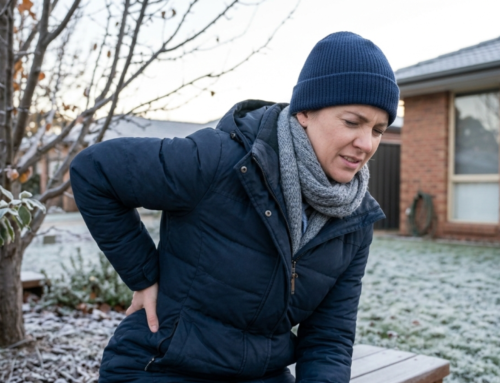
Your back aches. Your pelvis feels heavy. You leak. Your tummy domes. You feel pressure. Or your body just feels wrong.
If that’s you, you’re not broken. You’re not weak. You’re not failing at motherhood or fitness.
You’re a Brisbane mum trying to return to exercise with a body that has been through one of the biggest physical events of your life. And the truth is, returning to exercise after baby needs a plan. Not guesswork.
This is your physio-safe roadmap.
Why “Just Start Walking” Isn’t Always Safe After Birth
Walking is often the first advice mums hear.
“Just start walking.”
And yes, walking can be a great first step. But here’s what most people don’t tell you: walking still loads your pelvic floor, abdominal wall, hips, glutes, lower back, pelvic joints, breathing system, and posture (especially when pushing a pram).
If your core and pelvic floor are not coordinating properly yet, walking can increase pelvic heaviness, flare up pelvic pain, worsen leakage, trigger back pain, increase abdominal pressure, and reinforce compensations that make later training harder.
For many Brisbane mums, walking is safe. For others, it is the first thing that makes symptoms worse.
That’s why we never give generic advice like “just walk more.” At Get Better Physiotherapy and Pilates Centre, we assess what your body can actually handle, then build you back up safely.
The 5 Most Common Mistakes Brisbane Mums Make When Returning to Exercise
Most postnatal exercise mistakes are not from laziness. They come from being exhausted, overwhelmed, and trying to do the right thing without guidance.
Here are the five biggest ones we see every week.
1) Returning too soon because you feel pressure
Pressure from social media. Pressure from friends. Pressure from yourself.
Your body does not care what anyone else is doing at 6 weeks. It cares what your tissues, joints, and muscles can tolerate.
2) Doing core exercises that look “safe” but are not right for you
Exercises like planks, crunches, sit-ups, leg lowers, and high-rep Pilates ab work can be great later. But too early, they often cause doming, pelvic floor overload, back pain, and worsening symptoms.
3) Ignoring symptoms because “it’s normal after birth”
Leakage, heaviness, pain, and pressure are common. But they are not something you should accept.
4) Skipping strength work and only doing cardio
Cardio alone often reinforces the problem. Strength is what rebuilds your system, especially glutes, deep core, pelvic floor coordination, hips, and postural endurance.
5) Training like you used to
This one is emotional. You want your old body back.
But your body has changed, and it deserves a new strategy. With the right plan, most mums return to training stronger and more confident than before.
How to Know If Your Core Is Actually Ready (Not Just “Healed”)
A huge misconception is: “I’m cleared at 6 weeks, so I’m healed.”
Medical clearance is important, but it does not mean your body is ready for training.
Being healed means your body is no longer in the early recovery phase. Being ready means your system can handle load without compensating.
A core that is ready should be able to breathe without gripping the ribs, activate deep abdominals without bulging, manage pressure without doming, maintain control during movement, and support your pelvis and spine during daily tasks.
Here’s a simple reality check. If you roll in bed, lift the pram, get up from the floor, carry the capsule, or push the trolley and you feel pressure downward, a bulge in your tummy, pelvic pain, heaviness, or leakage, your core is not coordinating properly yet.
That does not mean no exercise. It means you need the right progression.
Diastasis Recti: What It Means for Training and What Doesn’t Matter
Diastasis recti is one of the most Googled postnatal issues, and one of the most misunderstood.
Diastasis recti means the connective tissue between your abdominal muscles has been stretched. That stretching is normal during pregnancy.
The goal is not always to close the gap.
In physio, we care more about tension through the midline, your ability to generate pressure safely, control during movement, whether you dome or bulge, and whether the gap affects function.
A mum can have a small gap and still have poor control. A mum can have a larger gap and still be strong and symptom-free.
What matters is function. And function is trainable.
Pelvic Floor Symptoms You Should Never Ignore (Even If Everyone Says It’s Normal)
This is the part we wish every Brisbane mum heard sooner.
These symptoms are common, but they are not something you should accept.
Do not ignore leaking urine during coughing, sneezing, laughing, running, or jumping. Do not ignore heaviness or dragging in the vagina. Do not ignore pressure that increases after walking or workouts. Do not ignore pain during sex, pain with tampons, ongoing pelvic pain, feeling like you cannot fully empty your bladder, needing to rush to the toilet, constipation or straining, or pain around the tailbone or pubic bone.
If you have any of these symptoms, your body is giving you useful information. And the earlier you address it, the faster it improves.
At Get Better Physiotherapy, we assess what is happening, explain it clearly, and give you a step-by-step plan so you know exactly what to do next.
No guesswork. No shame. No being told to “just do kegels.”
The Postnatal Back and Pelvic Pain Loop and How to Break It
This loop is incredibly common.
You get pain, so you move less. Then your muscles weaken. Then your joints get more sensitive. Then your posture gets worse. Then the pain increases. And you feel stuck.
Postnatal pain is often driven by weak glutes and deep core, poor load transfer through the pelvis, altered breathing and rib position, muscle guarding, pelvic floor overactivity (not just weakness), and poor movement patterns from feeding, carrying, and pram pushing.
The solution is not resting more.
The solution is reducing pain with hands-on physiotherapy, restoring movement confidence, rebuilding strength with targeted rehab and Pilates, and progressing gradually back to gym, running, and sport.
This is exactly how we work at Get Better Physiotherapy. We do not just give exercises and send you off. We guide you through a plan.
Your First 4 Weeks Back: A Simple Return-to-Exercise Timeline That Works
Every mum is different, but this framework works well for many Brisbane mums who want to return safely without setbacks.
Week 1: Reset and rebuild the basics
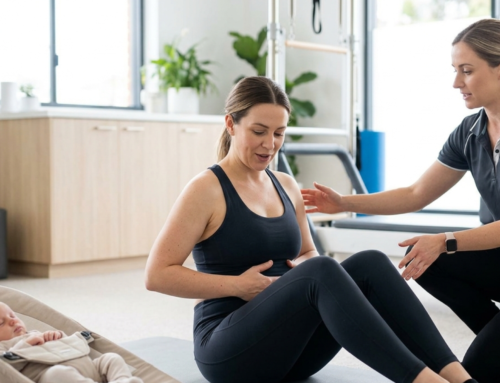
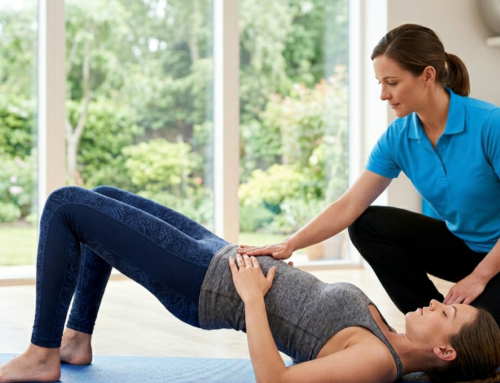
Focus on walking only as tolerated, breathing and pressure control, gentle pelvic floor coordination, basic glute activation, and posture.
The goal is to feel better after exercise, not worse.
Week 2: Add strength foundations
Add controlled squats, hip hinges, step-ups, resistance band glute work, and supported core work with control.
The goal is to build stability without heaviness or doming.
Week 3: Build endurance and confidence
Progress to longer strength sessions, slightly higher loads, functional movements (lifting and carrying), and pram walking with better mechanics.
The goal is to stop feeling fragile.
Week 4: Prepare for higher impact and gym training
Start introducing controlled tempo strength, Pilates-based progressions, light impact preparation (only if symptom-free), and return-to-running readiness markers.
The goal is to earn your way back to running, jumping, and heavier lifting.
If symptoms show up at any point, you do not push through. You adjust the plan. That is how you prevent chronic pelvic floor and back issues.
When to See a Physio (and What We Test in a Proper Postnatal Assessment)
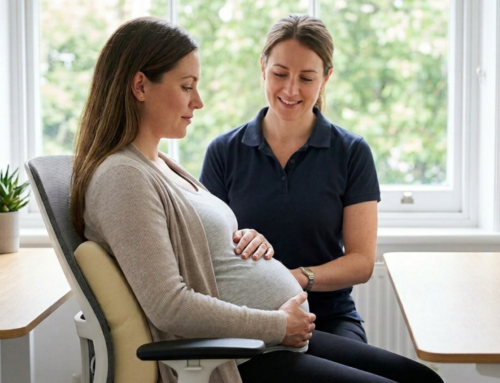
If you’re experiencing symptoms, or you simply want confidence before returning to training, a postnatal assessment is one of the best things you can do.
See a physio if you leak, feel heaviness, or feel pressure. See a physio if you have abdominal doming or bulging. See a physio if you have back, hip, or pelvic pain. See a physio if you feel unstable or weak through the core. See a physio if you want to return to gym, Pilates, running, or sport safely. See a physio if you feel stuck and unsure what to do next.
At Get Better Physiotherapy, a proper postnatal assessment includes a detailed history and symptom screening, posture and breathing assessment, abdominal wall and core control testing, pelvic stability and load transfer testing, hip and glute strength testing, back and pelvic joint testing, movement analysis for squats, hinges, and daily tasks, a clear explanation of what is happening, hands-on treatment if needed for pain relief, and a personalised written plan for the next 4 to 6 weeks.
We focus on immediate pain relief, restoring function, rebuilding long-term strength, and preventing the same issue from coming back.
You are also treated in private rooms, not curtained cubicles.

Leave A Comment