
The holidays are meant to be joyful, but for many new mums they quietly become the most physically demanding time of the year. Extra lifting, disrupted routines, poor sleep, emotional pressure, and the expectation to keep going can bring postnatal pain to the surface fast. If you are experiencing postnatal back pain or pelvic pain after pregnancy during this season, it is not just bad timing. It is your body telling you something important.
Postnatal pain is common, but common does not mean normal. And it certainly does not mean something you should ignore or push through.
The Holidays Don’t Pause Your Recovery But They Can Expose What Your Body Has Been Holding Together
Pregnancy and birth place enormous strain on the spine, pelvis, abdominal muscles, and nervous system. In the weeks and months after delivery, your body relies on gradual recovery, appropriate support, and rest to restore stability.
The holidays often do the opposite. More time on your feet, longer days, more bending and lifting, less sleep, and higher emotional load can quickly expose weaknesses that your body has been compensating for. Pain that was mild or manageable suddenly becomes sharp, constant, or exhausting.
This is not your body failing. It is your recovery being interrupted.
If Your Back Pain Flares Every Time You Lift, Carry, or Bend, Your Body Is Asking for Help
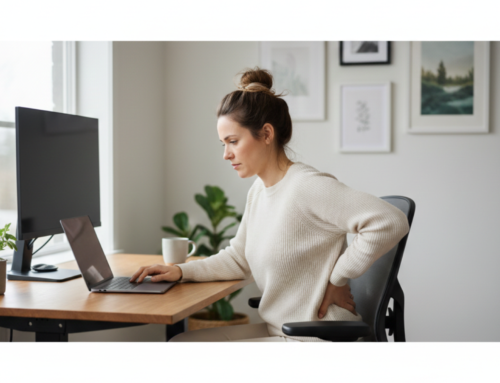
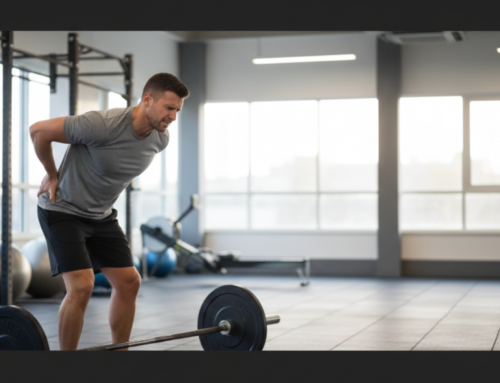
Postnatal back pain often shows up during very specific moments. Lifting your baby from the cot, carrying prams or shopping bags, standing for long periods in the kitchen, or bending repeatedly throughout the day.
These movements rely heavily on core stability, pelvic control, and spinal support. After pregnancy, these systems are frequently weakened or out of sync. When your body cannot distribute load properly, the lower back takes the strain.
Ignoring this pain or hoping it settles after the holidays can allow poor movement patterns to become ingrained, increasing the risk of long term back issues.
Pelvic Pain After Pregnancy Isn’t a Festive Side Effect, It’s a Sign Something Isn’t Restoring Properly
Pelvic pain after pregnancy is often dismissed, especially during busy seasons. Pain around the hips, groin, tailbone, or pubic area may feel like something you just have to tolerate.
In reality, pelvic pain signals that the joints, muscles, and connective tissues of the pelvis are not working together effectively. Hormonal changes, muscle imbalance, and altered posture can persist long after birth if not addressed.
The holidays can amplify this discomfort because of prolonged standing, awkward positions, and increased carrying. Pelvic pain is not a normal consequence of motherhood, and it should never be ignored.
Why “Pushing Through” Postnatal Pain During the Holidays Often Makes Long Term Recovery Harder
Many mums tell themselves they will deal with the pain later. After the holidays. After things calm down. After everyone else is looked after.
Unfortunately, pushing through pain often delays recovery. When the body is repeatedly overloaded without proper support, it adapts in unhelpful ways. Muscles tighten, movement patterns change, and pain pathways become more sensitive.
What could have been addressed with early physiotherapy for mums can turn into chronic pain that lingers well beyond the festive season.
When Rest Is Impossible, Physiotherapy for Mums Becomes Essential Not Optional
Rest is important, but for most mums, especially during the holidays, it is not realistic. This is where physiotherapy plays a critical role.
Physiotherapy for mums focuses on restoring function, not just reducing symptoms. A proper assessment identifies the root cause of postnatal back pain or pelvic pain after pregnancy, rather than treating it as a general ache.
At Get Better Physiotherapy, treatment is hands on, personalised, and designed to fit into real life. This includes manual therapy for pain relief, targeted exercises to rebuild strength and control, and practical strategies to reduce strain during daily activities.
The Hidden Load of the Holidays on a Postnatal Body No One Talks About
Beyond the physical tasks, the holidays place a heavy emotional and mental load on new mums. Hosting, organising, travelling, and meeting expectations can keep the nervous system in a constant state of stress.
When the nervous system is overloaded, pain thresholds drop. This means discomfort feels more intense and recovery slows down. Addressing postnatal pain requires understanding both the physical and emotional demands placed on the body during this time.
Ignoring one while focusing on the other often leads to incomplete recovery.
Private Treatment and Personalised Care Matter More When Your Nervous System Is Already Overloaded
Privacy and comfort matter, especially when dealing with postnatal pain. Feeling rushed, exposed, or unheard can increase stress and tension, making pain worse.
Private treatment rooms allow thorough assessments, open conversations, and tailored care without pressure. This environment supports both physical healing and nervous system regulation.
At Get Better Physiotherapy, private treatment rooms ensure that new mums receive focused care that respects their comfort, privacy, and individual needs during a vulnerable stage of recovery.
Long Term Postnatal Pain Relief Starts with Treating the Cause, Not Just Surviving the Season
The goal is not just to get through the holidays. It is to support long term recovery so pain does not return with the next busy period.
Effective treatment for postnatal back pain and pelvic pain after pregnancy looks beyond short term relief. It addresses strength, movement patterns, posture, and load management so your body can cope with everyday demands confidently.
Physiotherapy for mums is not about quick fixes. It is about giving your body the tools it needs to recover fully and function well for years to come.
If postnatal pain is affecting your ability to enjoy the holidays or your daily life, it is not something you should ignore. Help is available, and early support can make all the difference.
Leave A Comment